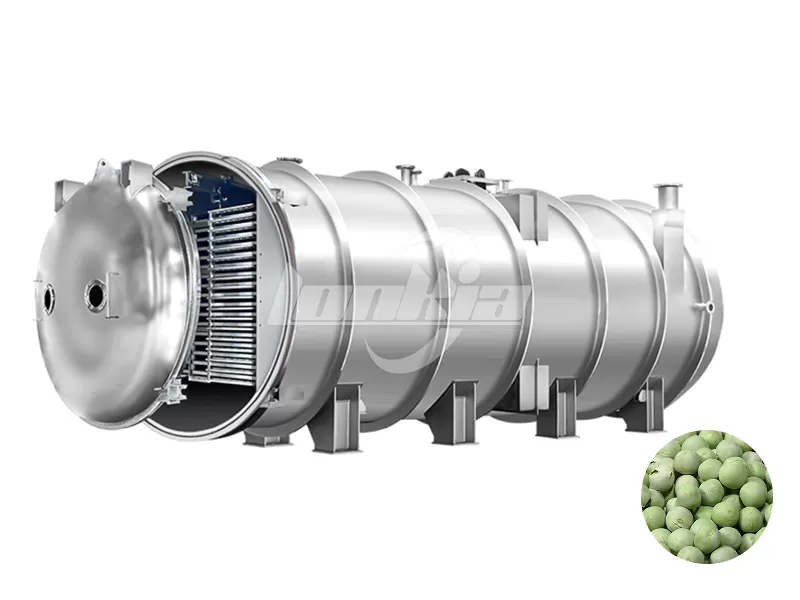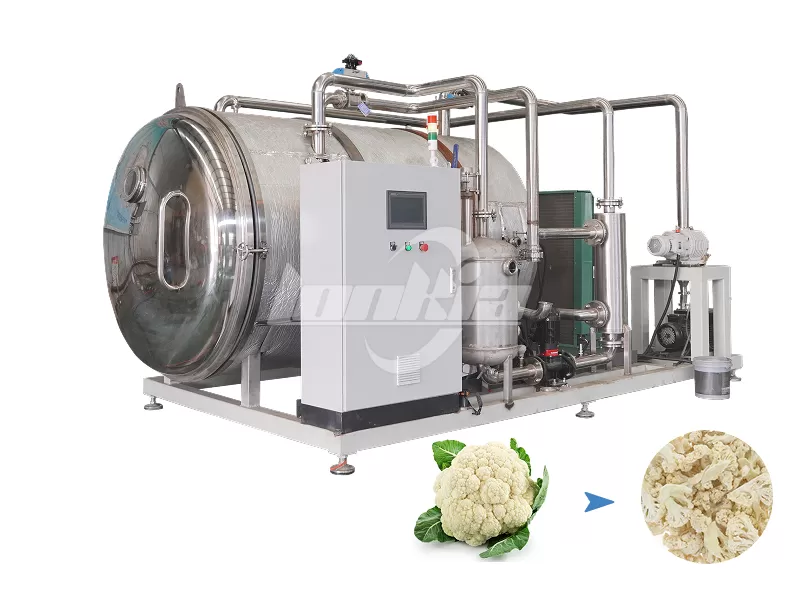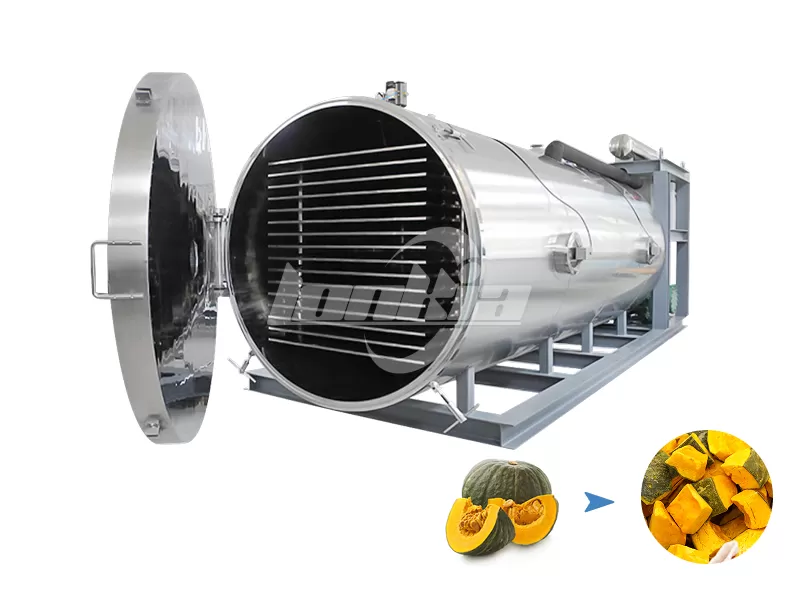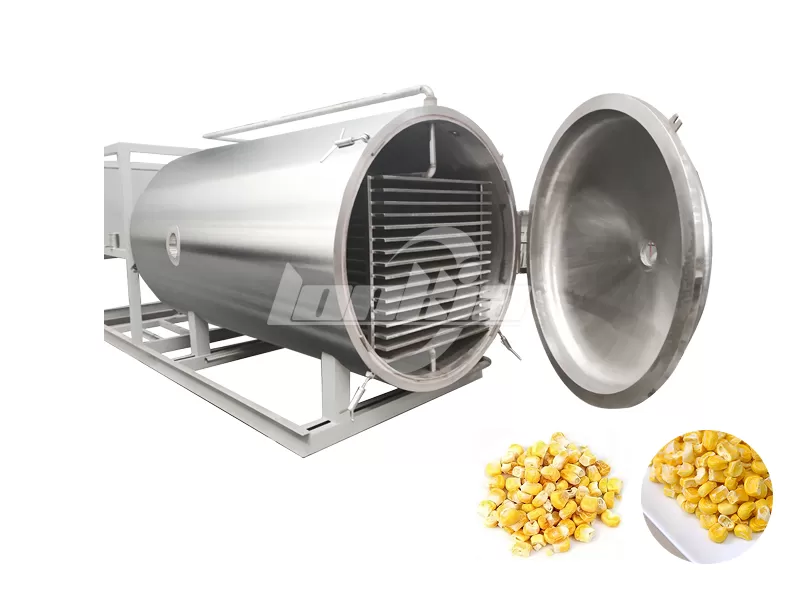
Freeze drying technology continues to grow in popularity across industries such as food processing, pharmaceuticals, agriculture, and pet food manufacturing. With more businesses entering the freeze-dried product market, many buyers are searching for a freeze dryer for sale and asking an important question: how much does a freeze dryer cost in 2026?
The price of a freeze dryer varies widely depending on its capacity, automation level, and intended application. This guide will break down the typical price ranges and the key factors that influence the cost so you can make an informed purchase decision.
Average Freeze Dryer Price in 2026
In 2026, freeze dryer prices generally fall into several categories depending on size and production capacity.
| Freeze Dryer Type | Capacity Range | Typical Price |
|---|---|---|
| Home Freeze Dryer | 2–10 kg per batch | $2,500 – $6,000 |
| Small Commercial Freeze Dryer | 10–30 kg per batch | $8,000 – $30,000 |
| Medium Industrial Freeze Dryer | 50–200 kg per batch | $40,000 – $120,000 |
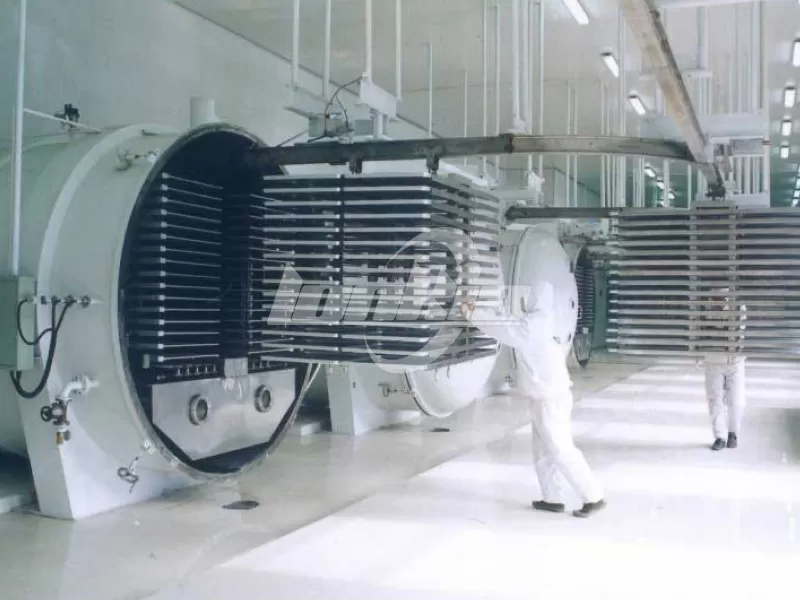
| Large Industrial Freeze Dryer | 200+ kg per batch | $150,000 – $500,000+ |
These prices may vary depending on the manufacturer, refrigeration system, vacuum pump configuration, and automation features.
Factors That Affect Freeze Dryer Prices
Several key factors influence how much a freeze dryer costs.
1. Production Capacity
Capacity is the biggest factor affecting price. Larger machines require:
bigger vacuum chambers
stronger refrigeration systems
more powerful vacuum pumps
Industrial freeze dryers capable of processing hundreds of kilograms per batch naturally cost significantly more than small laboratory or home units.
2. Refrigeration System
Freeze dryers rely on powerful refrigeration systems to freeze products to extremely low temperatures, often below −40°C to −60°C.
Higher-quality refrigeration systems improve:
drying speed
energy efficiency
product quality
However, advanced cooling systems also increase equipment costs.
3. Vacuum Pump Quality
The vacuum pump is one of the most critical components of a freeze dryer. High-performance vacuum pumps provide:
stable pressure control
faster sublimation
improved drying consistency
Oil rotary vacuum pumps and dry vacuum pumps vary significantly in price and maintenance requirements.
4. Automation and Control Systems
Modern freeze dryers increasingly include smart control features such as:
programmable drying cycles
touch screen control panels
automatic pressure and temperature monitoring
remote operation or data recording
Advanced automation improves production efficiency but adds to the overall machine price.
5. Materials and Build Quality
Food-grade freeze dryers are typically made from stainless steel, ensuring hygiene and durability in food processing environments. Machines built with high-quality materials generally cost more but offer longer service life.
Additional Costs to Consider
When budgeting for a freeze dryer purchase, buyers should also consider several additional expenses beyond the base machine price.
Installation and Setup
Industrial freeze dryers may require professional installation, electrical upgrades, and vacuum system configuration.
Energy Consumption
Freeze dryers operate for long cycles and require electricity for refrigeration and vacuum systems.
Maintenance and Spare Parts
Regular maintenance may include vacuum pump oil replacement, seal checks, and refrigeration system servicing.
Training and Technical Support
Some suppliers provide operator training and technical support services that may be included in the purchase price.
Is Buying a Freeze Dryer Worth It?
For many food processors and agricultural businesses, freeze drying offers strong commercial advantages:
extremely long shelf life for products
preservation of flavor, nutrients, and texture
lightweight products for easy transport
premium market pricing for freeze-dried foods
As consumer demand for healthy, convenient, and long-lasting food continues to grow, freeze drying equipment can be a valuable long-term investment.
Tips for Choosing the Right Freeze Dryer
Before purchasing a freeze dryer in 2026, consider the following steps:
Define your production goals and expected batch size.
Compare multiple manufacturers to evaluate performance and price.
Check energy efficiency and operating costs.
Ensure the machine meets food safety standards.
Choose a supplier with reliable after-sales service.
Making the right choice will help ensure stable production, high product quality, and a strong return on investment.
Conclusion
The cost of a freeze dryer in 2026 ranges from a few thousand dollars for small home units to several hundred thousand dollars for large industrial systems. Understanding the factors that influence pricing—such as capacity, refrigeration performance, automation, and build quality—can help buyers choose the best equipment for their needs.
Whether you are starting a freeze-dried food business or expanding an existing processing facility, investing in the right freeze dryer is a key step toward long-term success in the growing freeze-dried product market.