Freeze drying has become one of the most advanced food preservation technologies available today. A commercial freeze dryer allows businesses to remove moisture from products while maintaining their original flavor, nutrients, and structure. Because of these advantages, freeze drying is widely used in food processing, agriculture, pharmaceuticals, and biotechnology industries.
If you are considering purchasing a commercial freeze dryer, understanding its key features, applications, and selection tips can help you choose the right equipment for your business.
What Is a Commercial Freeze Dryer?
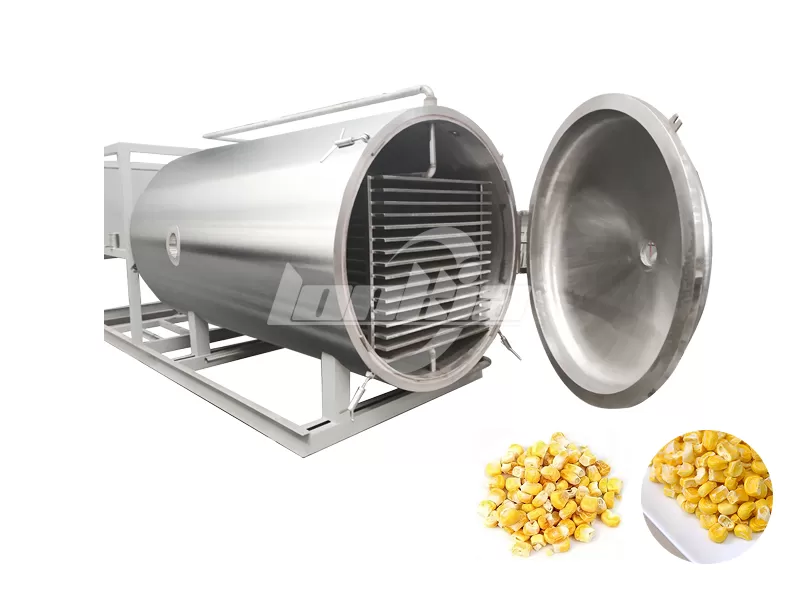
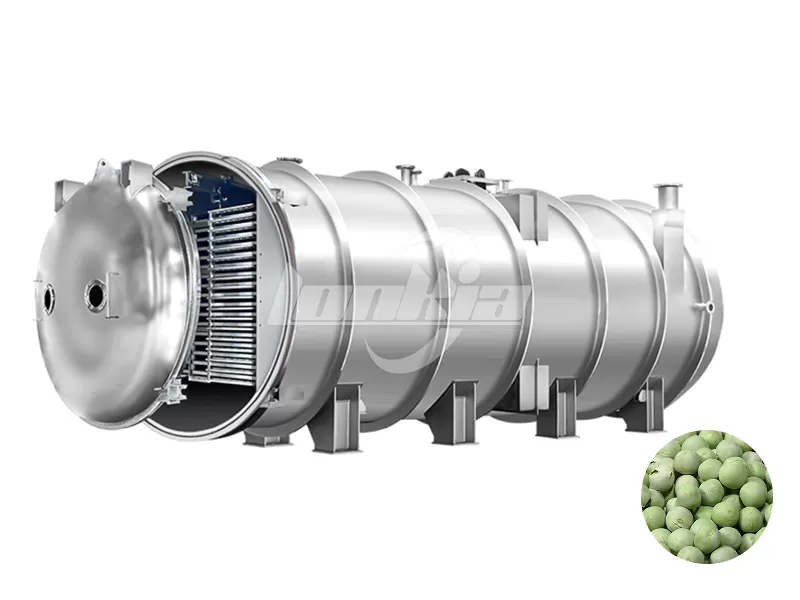
A commercial freeze dryer is a medium-to-large scale freeze drying system designed for businesses that require higher production capacity than home units but may not yet need a full industrial freeze drying plant.
These machines typically process 10–100 kg of material per batch and are commonly used by:
Food processing companies
Agricultural product processors
Pet food manufacturers
Coffee and beverage producers
Research laboratories
Commercial freeze dryers offer higher efficiency, better automation, and more reliable performance compared with small home models.
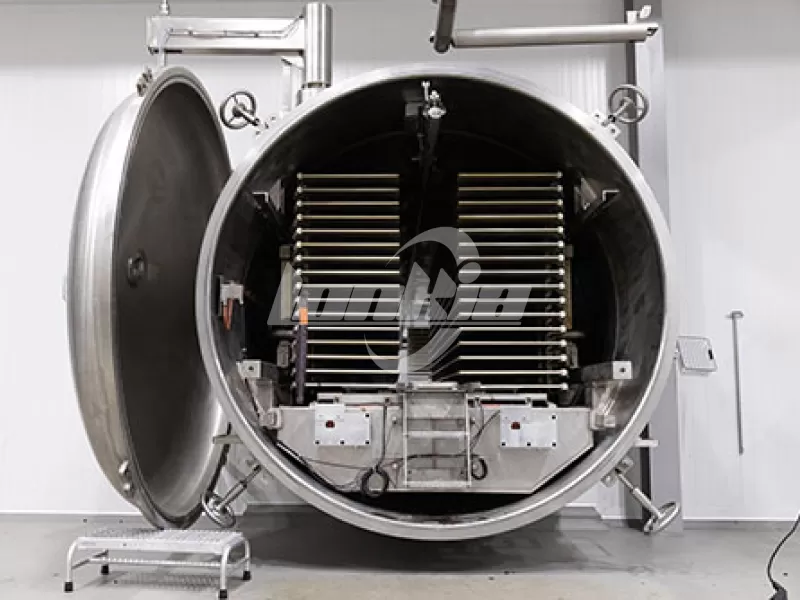
Key Features of a Commercial Freeze Dryer
Commercial freeze dryers are designed to deliver consistent product quality and reliable operation. Some of the most important features include the following.
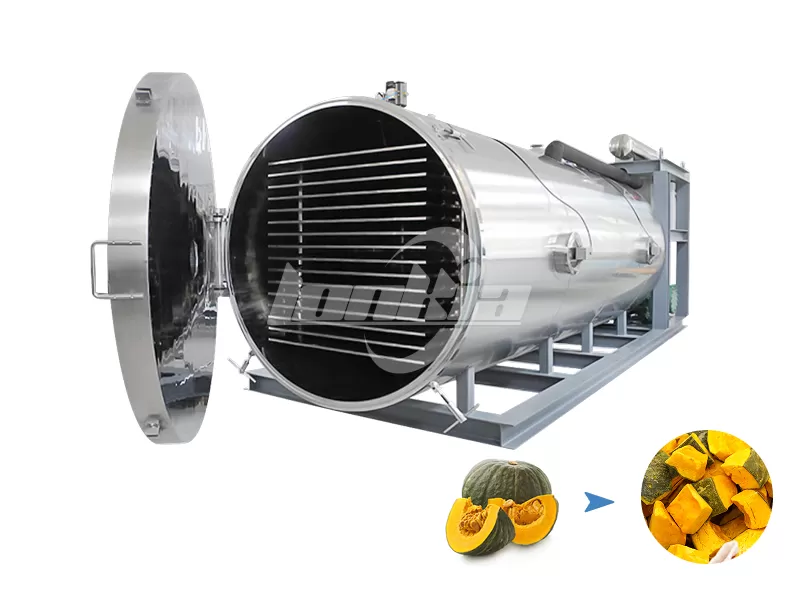
Large Drying Chamber
Commercial models are equipped with larger stainless-steel drying chambers that allow multiple trays of products to be processed simultaneously. This increases batch capacity and production efficiency.
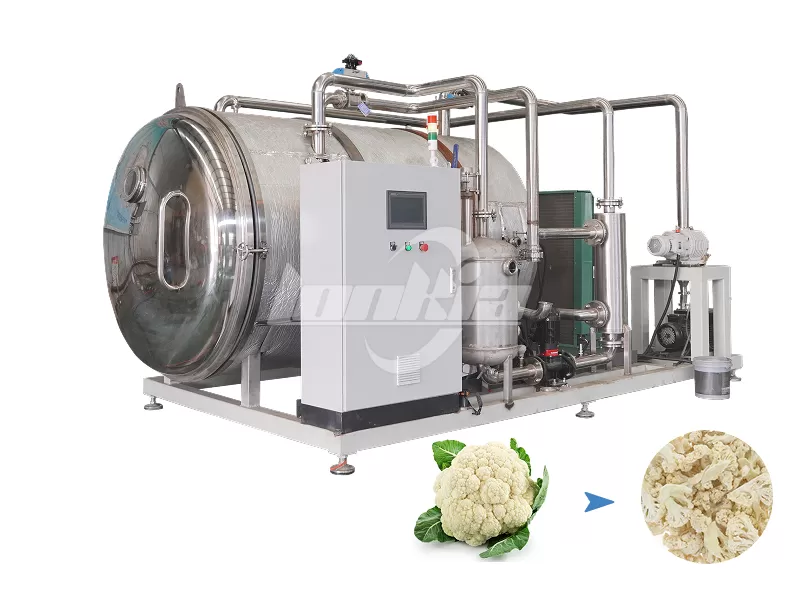
Powerful Refrigeration System
Freeze dryers must maintain extremely low temperatures, typically −40°C to −60°C, to properly freeze products before sublimation occurs. High-performance refrigeration systems ensure stable temperature control during the drying process.
High-Efficiency Vacuum Pump
A strong vacuum environment is necessary for sublimation. Commercial machines typically use industrial-grade vacuum pumps to maintain stable pressure and improve drying speed.
Intelligent Control System
Modern commercial freeze dryers often include digital control systems with:
programmable drying cycles
temperature and pressure monitoring
automatic process control
data recording for production management
These features improve operational convenience and ensure consistent product quality.
Applications of Commercial Freeze Dryers
Commercial freeze dryers are used in many industries because freeze-dried products retain their original characteristics while gaining long shelf life.
Food Processing
Freeze drying is widely used for foods such as:
fruits (strawberries, mango, banana, apple)
vegetables (corn, peas, carrots)
seafood and meat products
ready-to-eat meals
instant soups and sauces
The resulting products are lightweight, nutrient-rich, and shelf-stable.
Coffee and Beverage Industry
Freeze drying is commonly used to produce instant coffee and tea extracts while preserving aroma and flavor.
Pet Food Production
Freeze-dried pet food and treats are becoming increasingly popular due to their high nutritional value and natural processing method.
Pharmaceutical and Biotechnology
Commercial freeze dryers are also used to preserve vaccines, biological samples, enzymes, and other temperature-sensitive materials.
Advantages of Freeze Drying
Businesses choose freeze drying technology because of several important benefits.
Long shelf life: Products can be stored for years without refrigeration.
Nutrient retention: Vitamins and minerals remain largely intact.
Lightweight products: Reduced shipping and storage costs.
Excellent product quality: Shape, texture, and flavor are preserved.
These advantages make freeze drying one of the most premium food preservation methods.
Buying Tips for a Commercial Freeze Dryer
Choosing the right commercial freeze dryer requires careful evaluation of your production needs and budget.
Determine Your Production Capacity
Start by estimating how much product you plan to process per batch or per day. Selecting the correct capacity prevents production bottlenecks or unnecessary equipment costs.
Check Temperature and Vacuum Performance
High-quality freeze dryers must maintain stable low temperatures and strong vacuum conditions. These factors directly influence drying efficiency and product quality.
Evaluate Energy Efficiency
Freeze drying can consume significant energy. Machines designed with optimized refrigeration systems can reduce long-term operating costs.
Consider Automation and Ease of Use
Machines with automatic controls and programmable drying cycles can improve productivity and reduce operator workload.
Choose a Reliable Supplier
When buying a commercial freeze dryer, it is important to work with a manufacturer that offers:
technical support
spare parts availability
installation assistance
training for operators
Reliable after-sales service ensures smooth long-term operation.
Conclusion
A commercial freeze dryer is an essential piece of equipment for businesses involved in freeze-dried food production, agricultural processing, or biotechnology applications. With larger capacity, advanced control systems, and efficient drying performance, commercial freeze dryers provide an ideal balance between small home units and large industrial systems.
By understanding the features, applications, and key purchasing considerations, businesses can select the right freeze drying equipment to improve product quality, extend shelf life, and expand their market opportunities.