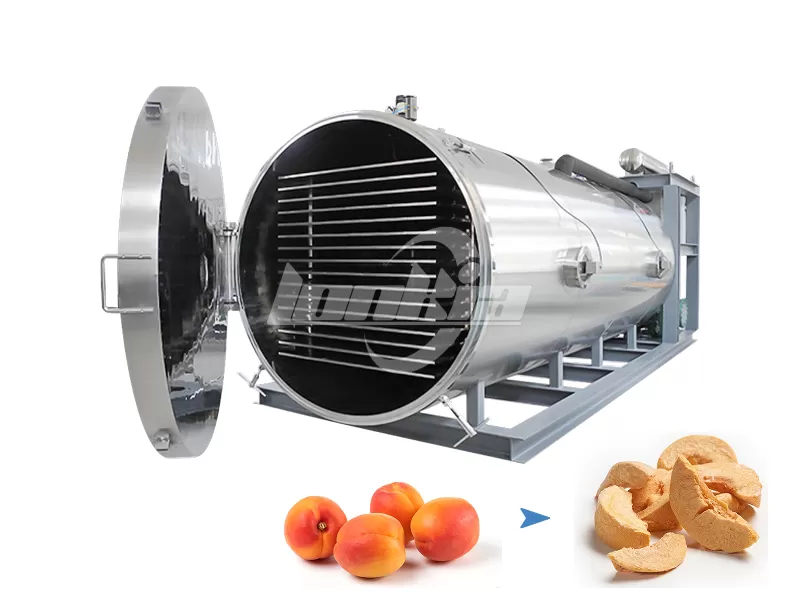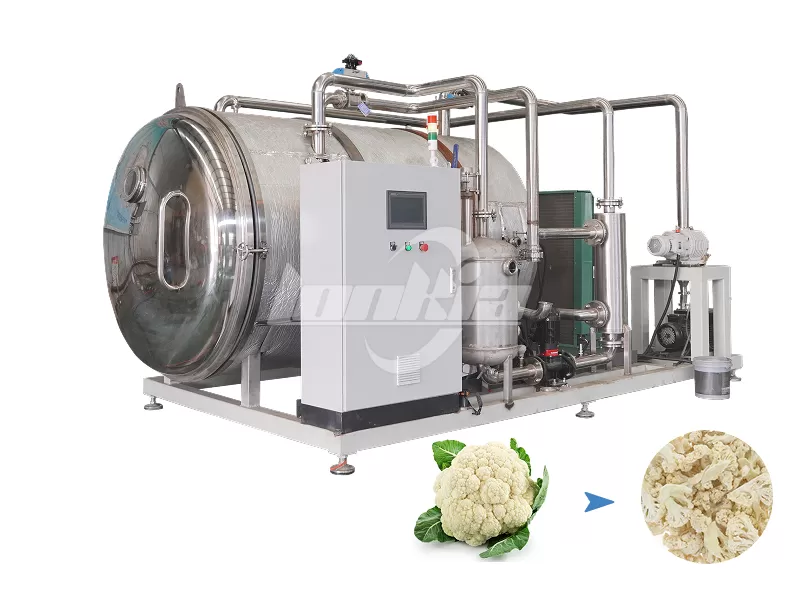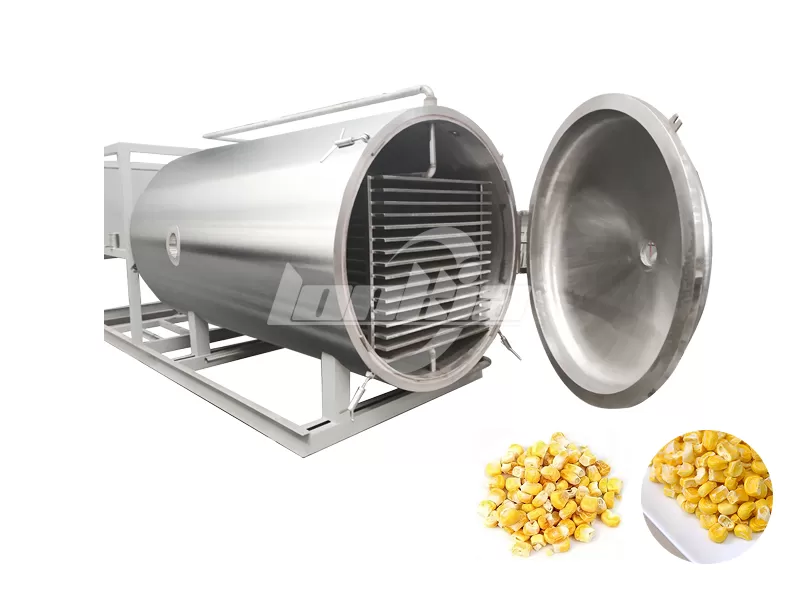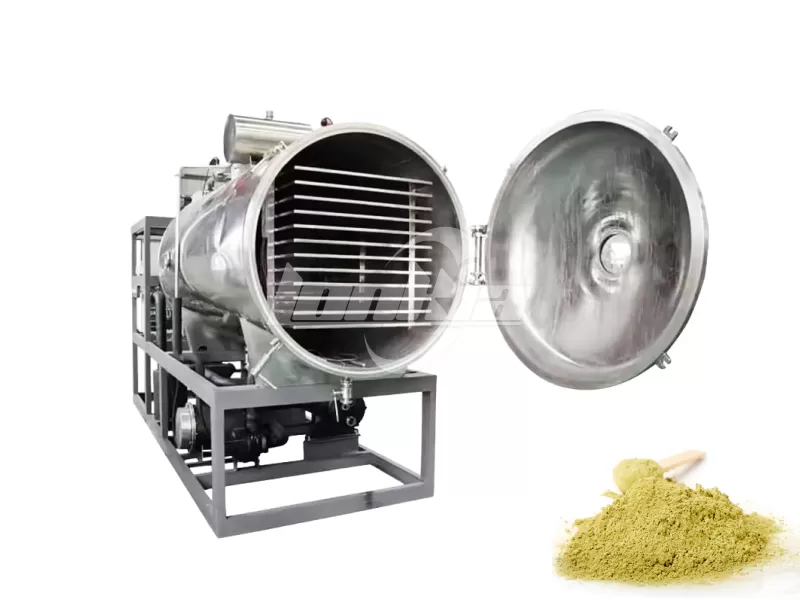
Freeze drying has become one of the most effective methods for preserving food while maintaining its flavor, nutrients, and structure. From food manufacturers and agricultural processors to laboratories and commercial kitchens, many industries are investing in freeze drying technology. As demand grows, more buyers are searching online for a freeze dryer for sale, but choosing the right machine can be challenging.
In this guide, we’ll explain how freeze dryers work, what factors influence performance and cost, and how to choose the best freeze dryer for your specific needs.
What Is a Freeze Dryer?
A freeze dryer, also known as a lyophilizer, is a machine that removes moisture from products through a process called sublimation. Instead of evaporating water through heat, freeze drying freezes the product and then removes ice directly as vapor under vacuum conditions.
This process preserves:
Nutritional value
Original flavor
Texture and shape
Shelf life for long-term storage
Freeze drying is widely used for foods such as fruits, vegetables, meats, seafood, coffee, and ready-to-eat meals.
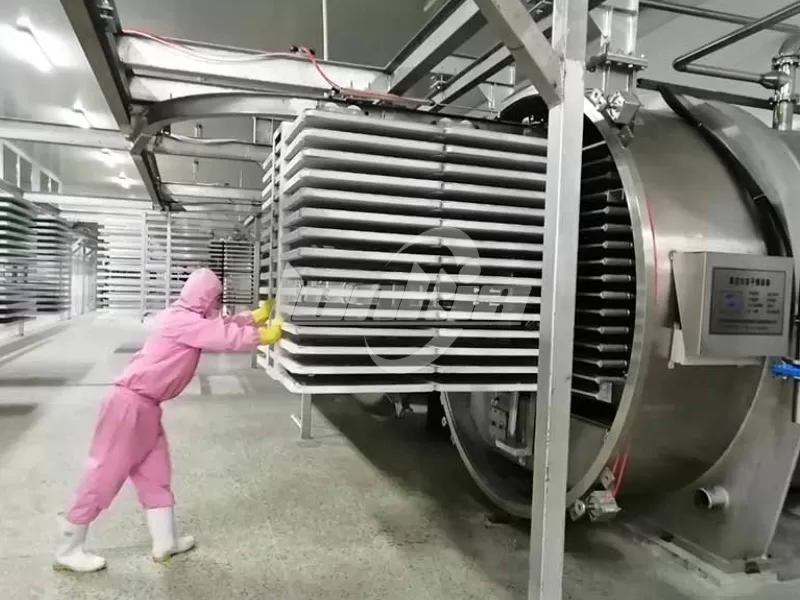
How Does a Freeze Dryer Work?
The freeze drying process usually involves three main stages:
1. Freezing
The product is frozen at very low temperatures, turning moisture inside the food into solid ice.
2. Primary Drying (Sublimation)
A vacuum environment is created, and controlled heat is applied. The frozen ice transitions directly into vapor without becoming liquid.
3. Secondary Drying
Residual moisture is removed to achieve the desired dryness level, often reducing moisture content to around 1–4%.
The result is a lightweight, shelf-stable product that can be stored for years without refrigeration.
Types of Freeze Dryers
Different industries require different types of freeze dryers. Understanding the categories can help you choose the right one.
Home Freeze Dryers
Designed for small-scale food preservation at home. They have limited capacity but are compact and easy to operate.
Countertop Freeze Dryers
Ideal for small businesses, laboratories, or research applications where space is limited.
Commercial Freeze Dryers
Used by food processing companies and large kitchens. These machines offer higher capacity, automation, and continuous operation.
Industrial Freeze Dryers
Large-scale systems used in pharmaceutical production, large food factories, and research facilities.
Key Factors to Consider When Buying a Freeze Dryer
When looking for a freeze dryer for sale, consider the following factors to ensure you choose the right machine.
Production Capacity
Capacity determines how much product you can process in each batch. Freeze dryers range from small units handling a few kilograms to industrial systems processing hundreds of kilograms per cycle.
Temperature and Vacuum Performance
A high-quality freeze dryer must maintain:
stable low temperatures
strong vacuum pressure
precise control systems
These factors directly influence drying efficiency and product quality.
Energy Efficiency
Freeze drying requires significant energy. Machines with optimized refrigeration systems and vacuum pumps can reduce operating costs.
Automation and Control
Modern freeze dryers include digital control panels, programmable drying cycles, and remote monitoring features that improve convenience and consistency.
Material and Hygiene Standards
For food processing, the machine should be made from food-grade stainless steel and designed for easy cleaning and sanitation.
How Much Does a Freeze Dryer Cost?
The price of a freeze dryer varies depending on size, capacity, and automation level.
Typical price ranges include:
Small home freeze dryers: around $2,000 – $5,000
Commercial freeze dryers: $10,000 – $80,000
Industrial freeze drying systems: $100,000 and above
Additional costs may include installation, maintenance, and energy consumption.
Common Applications of Freeze Drying
Freeze dryers are widely used in multiple industries, including:
Food processing and preservation
Freeze-dried fruits and vegetables
Instant coffee and tea production
Pet food manufacturing
Pharmaceutical and biotech industries
Emergency and military food supplies
Because freeze-dried products are lightweight and shelf-stable, they are ideal for long-term storage and transportation.
Tips for Choosing the Best Freeze Dryer
Before making a purchase, consider these practical tips:
Evaluate your daily production requirements
Compare different manufacturers and specifications
Check warranty and after-sales support
Consider future expansion needs
Look for machines with reliable refrigeration and vacuum systems
Choosing the right freeze dryer ensures consistent product quality and long-term operational efficiency.
Conclusion
Buying a freeze dryer for sale requires careful evaluation of capacity, technology, and cost. Whether you operate a food processing facility, agricultural business, or research lab, selecting the best freeze dryer for your needs can significantly improve product quality, shelf life, and production efficiency.
By understanding how freeze dryers work and comparing different options, you can make a confident investment that supports your long-term business growth.