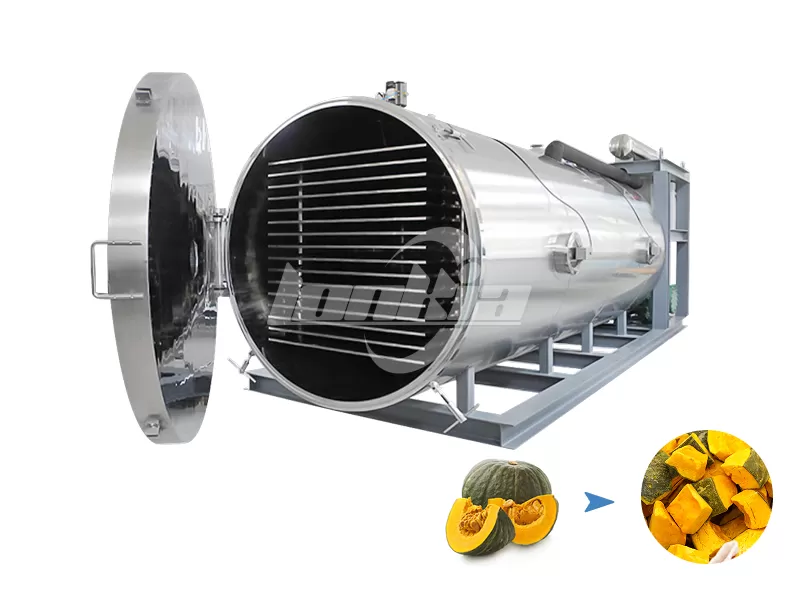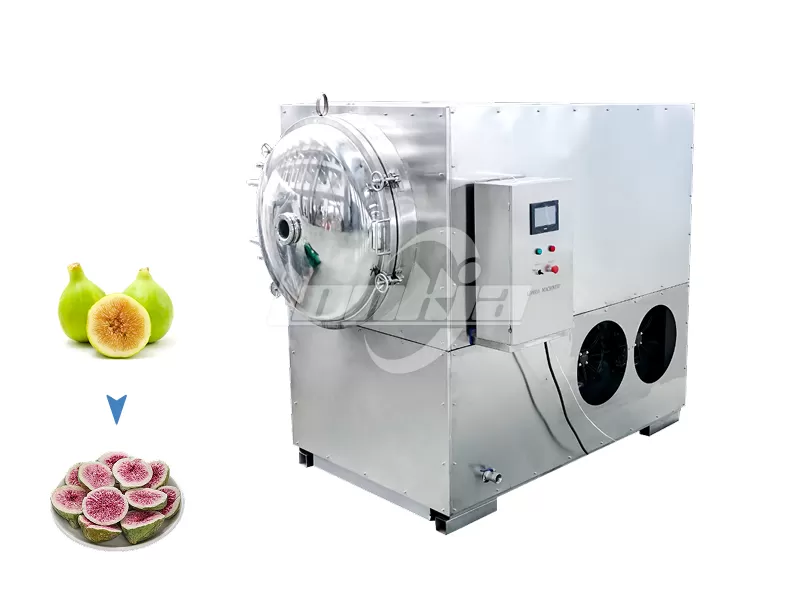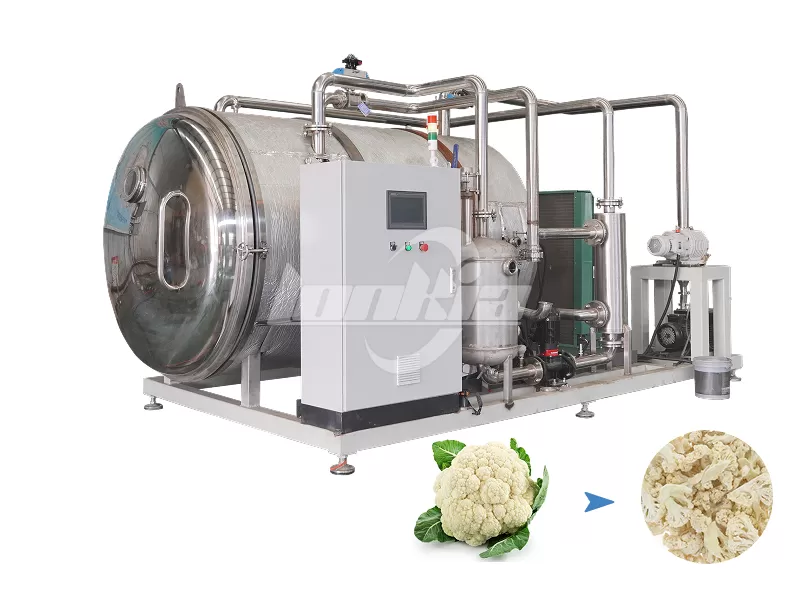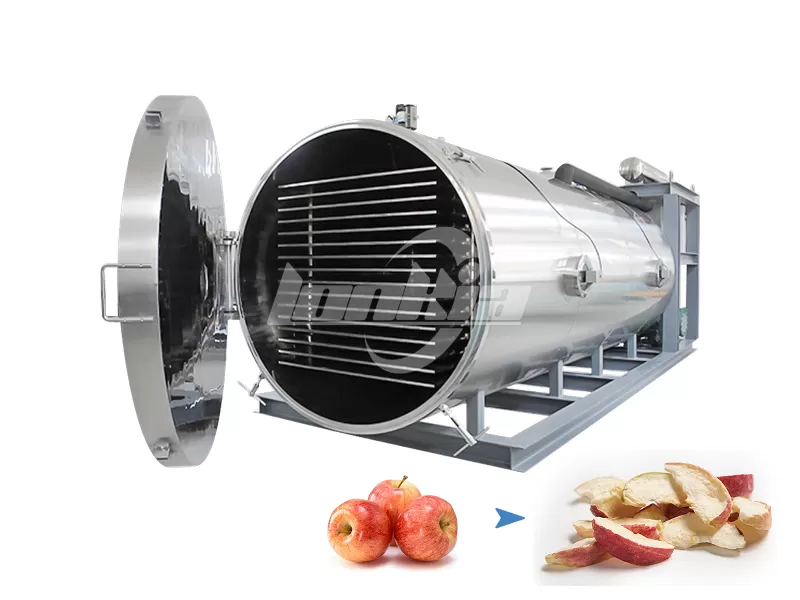
Freeze dryers have become essential equipment in industries such as food processing, pharmaceuticals, agriculture, and biotechnology. As the demand for freeze-dried products continues to grow, many businesses are searching for a freeze dryer for sale and wondering what determines the overall cost of these machines.
The price of a freeze dryer can vary significantly depending on several factors, including capacity, technology, automation level, and manufacturing quality. This guide explains the key elements that influence the price of freeze drying machines so buyers can make a more informed investment decision.
Average Freeze Dryer Price Range
Freeze dryer prices vary depending on machine size and intended application. Below is a general overview of common price ranges.
| Freeze Dryer Type | Capacity | Estimated Price |
|---|---|---|
| Home Freeze Dryer | 2–10 kg per batch | $2,500 – $6,000 |
| Small Commercial Freeze Dryer | 10–30 kg per batch | $8,000 – $30,000 |
| Medium Industrial Freeze Dryer | 30–150 kg per batch | $40,000 – $120,000 |
| Large Industrial Freeze Dryer | 200+ kg per batch | $150,000 – $500,000+ |
These ranges may change depending on customization, additional features, and supplier location.
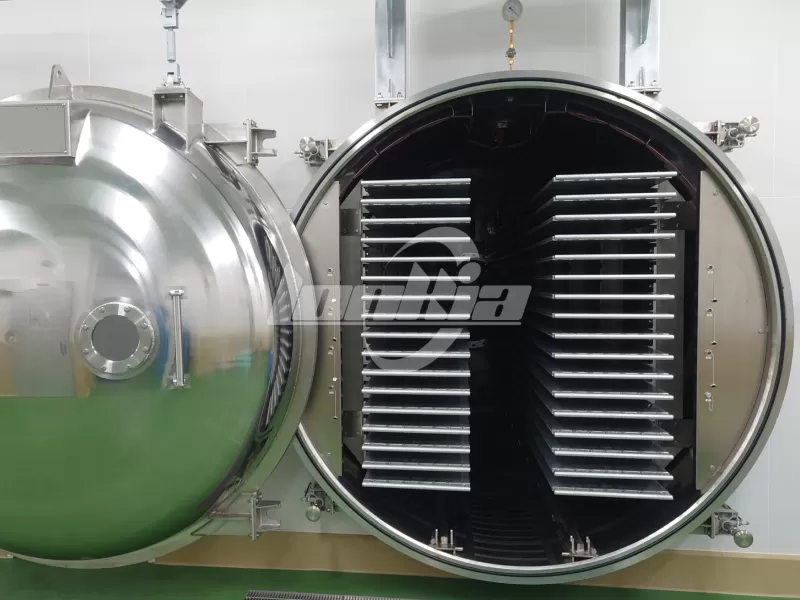
Key Factors That Determine Freeze Dryer Cost
Several technical and manufacturing factors play a major role in determining the final price of a freeze drying machine.
1. Production Capacity
The most important factor affecting freeze dryer cost is capacity. Larger machines require bigger chambers, stronger refrigeration systems, and more powerful vacuum pumps.
For example:
Small laboratory freeze dryers process only a few kilograms per cycle.
Commercial freeze dryers may handle dozens of kilograms.
Industrial freeze dryers can process hundreds of kilograms in a single batch.
Higher capacity generally means higher equipment cost.
2. Refrigeration System
Freeze dryers rely on powerful refrigeration systems to freeze materials before sublimation begins. The refrigeration unit must maintain extremely low temperatures, often between −40°C and −60°C.
Higher-quality refrigeration systems provide:
faster freezing performance
better temperature stability
improved drying efficiency
However, advanced cooling systems also increase manufacturing costs.
3. Vacuum System
The vacuum pump is another critical component in freeze drying machines. A stable vacuum environment allows frozen water inside the product to sublimate directly into vapor.
Different vacuum systems affect both performance and price, including:
oil rotary vacuum pumps
dry vacuum pumps
multi-stage vacuum systems for industrial equipment
Higher-end vacuum systems improve efficiency but add to equipment costs.
4. Automation and Control Technology
Modern freeze dryers often include advanced control systems designed to simplify operation and improve consistency.
Common automation features include:
touchscreen control panels
programmable drying cycles
automatic pressure and temperature control
remote monitoring and data recording
Machines with more advanced automation usually cost more but can significantly improve productivity and reliability.
5. Construction Materials
High-quality freeze dryers are typically made with food-grade stainless steel, especially in the drying chamber and product contact areas.
Premium materials improve:
durability
corrosion resistance
hygiene standards for food processing
Although stainless steel construction increases initial cost, it ensures long-term reliability.
6. Customization and Configuration
Many freeze dryers are customized to match specific production needs. Customization options may include:
tray size and quantity
chamber volume
integrated freezing systems
automatic loading and unloading systems
Custom-built machines usually cost more than standard models but offer better compatibility with specific production processes.
Additional Costs to Consider
When evaluating the price of a freeze dryer, buyers should also consider several additional expenses beyond the machine itself.
Installation and Facility Preparation
Industrial freeze dryers may require special installation, electrical systems, and vacuum infrastructure.
Energy Consumption
Freeze drying is an energy-intensive process. Efficient machines with optimized refrigeration systems can reduce operating costs over time.
Maintenance and Spare Parts
Routine maintenance such as vacuum pump servicing, seal replacement, and refrigeration system checks should be considered when estimating long-term operating costs.
Training and Technical Support
Some suppliers provide installation guidance, operator training, and technical support services that may affect the overall purchase price.
How to Choose the Right Freeze Dryer for Your Budget
When selecting a freeze drying machine, buyers should focus not only on price but also on long-term value. Consider the following steps:
Define your production capacity requirements.
Compare different manufacturers and machine specifications.
Evaluate energy efficiency and operating costs.
Choose reliable equipment with strong after-sales support.
Consider future expansion and production growth.
Investing in the right freeze dryer can significantly improve production efficiency and product quality.
Conclusion
The cost of freeze drying machines varies widely depending on capacity, refrigeration performance, vacuum systems, automation features, and build quality. Small units may cost only a few thousand dollars, while large industrial freeze dryers can exceed several hundred thousand dollars.
Understanding what determines the price of freeze dryers allows businesses to choose equipment that fits both their production needs and budget. With the right machine, companies can produce high-quality freeze-dried products while maximizing efficiency and long-term profitability.