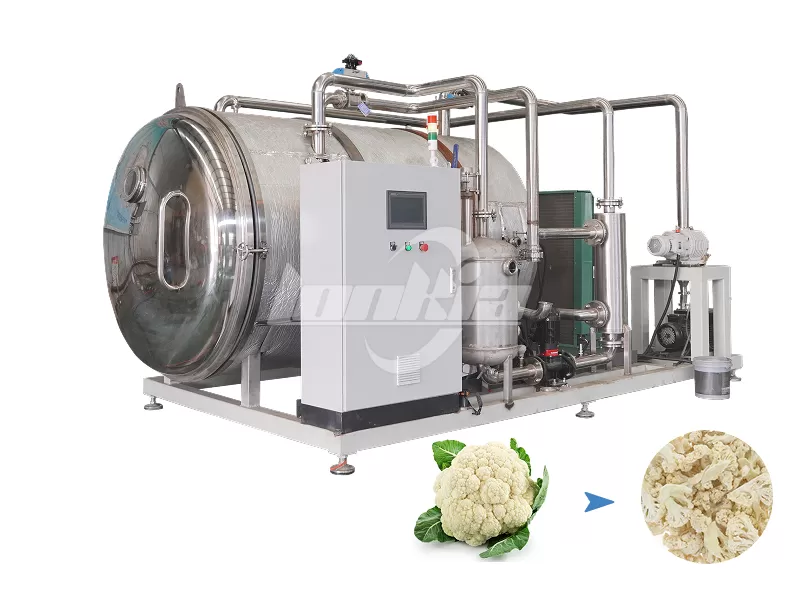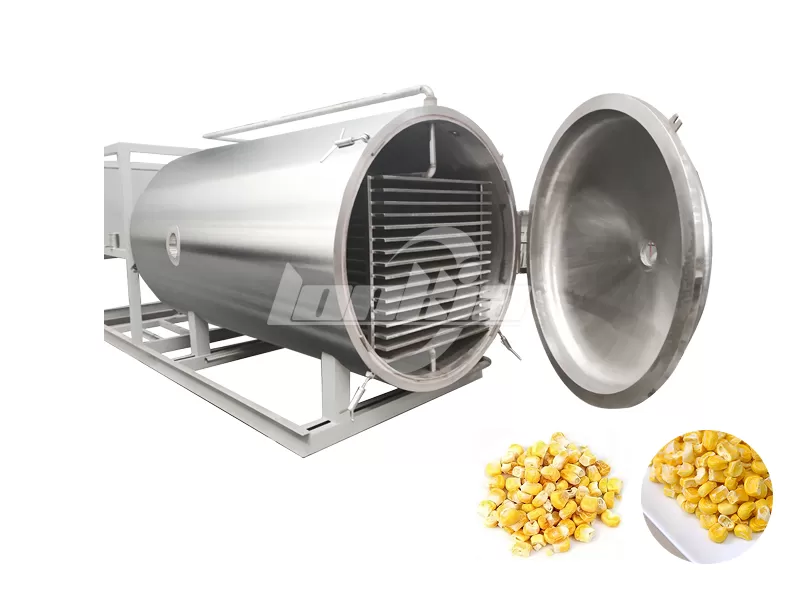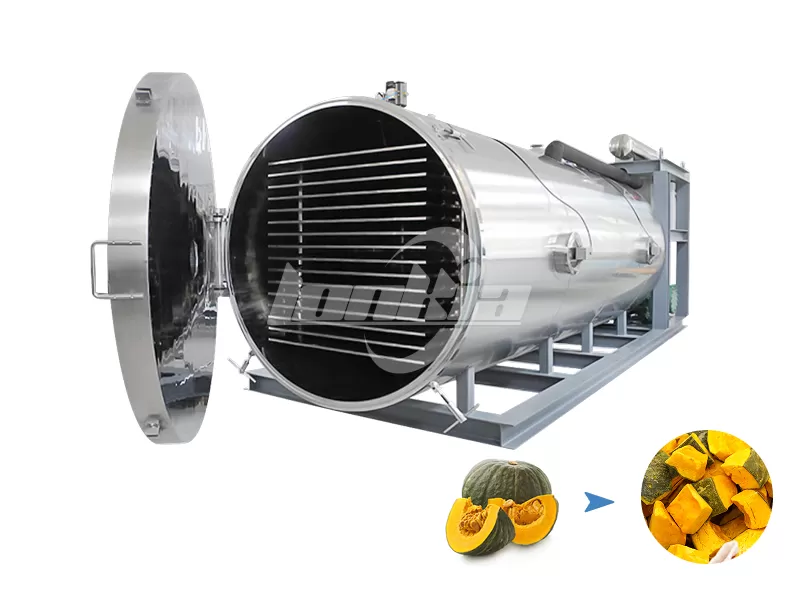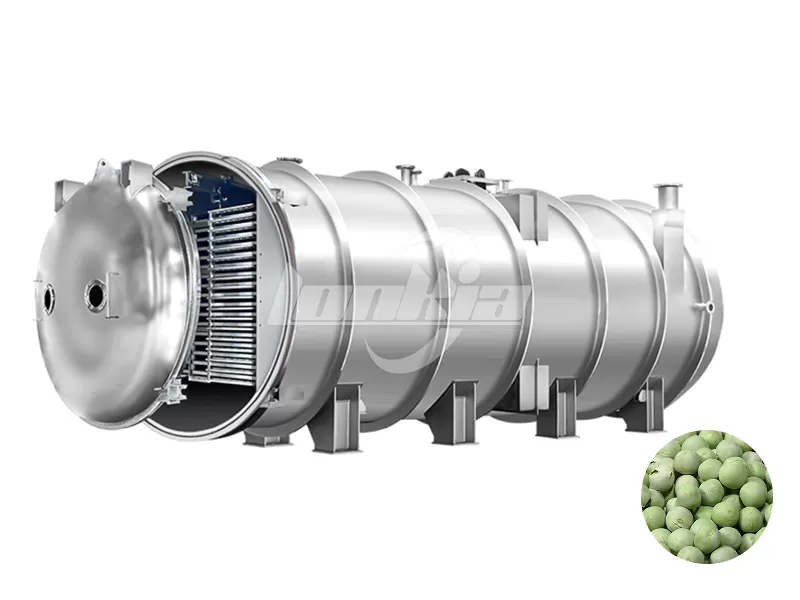
As the freeze-dried food market continues to expand, an increasing number of food companies are turning their attention to freeze food dryers. One of the most common questions customers ask when inquiring about equipment is: What types of food can be processed using a freeze dryer machine?
In fact, freeze drying technology is suitable for the vast majority of water-containing foods. As long as the product structure is compatible with the sublimation process, it can undergo dehydration in a freeze dryer while retaining its original shape, flavor, and nutritional value.
This article outlines the primary food types processed by freeze food dryers to help customers determine if the equipment suits their products.
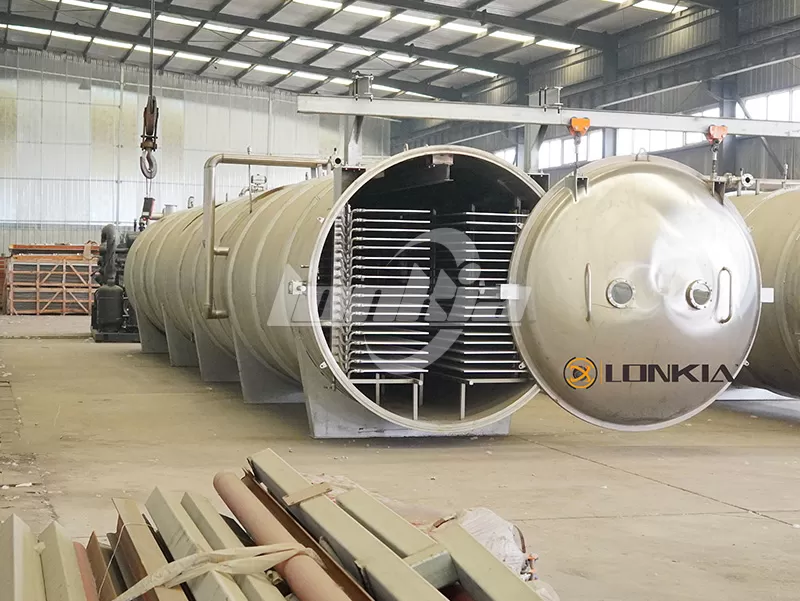
What Foods Can Freeze Food Dryers Process?
From an industrial food processing perspective, a stable freeze food dryer typically handles multiple food types, including fruits, vegetables, meats, seafood, dairy products, and ready-to-eat foods.
This versatility is a key reason for industrial freeze dryers' widespread adoption in the food industry—a single machine can serve multiple product lines, enabling flexible production based on market demand.
Freeze Dried Fruit Products
Fruits are among the most common items processed by freeze dryer food machines.
Common freeze dried fruits include:
- Strawberries
- Blueberries
- Apples
- Bananas
- Mangoes
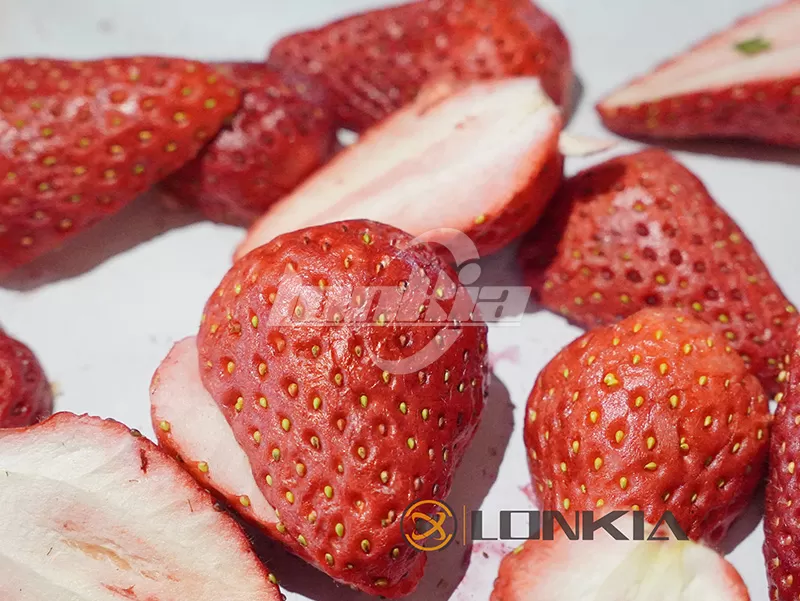
These fruits have high water content. After freeze drying process, they can be made into freeze dried fruit snacks, breakfast cereal ingredients, baking materials, and other products. Freeze-drying technology effectively preserves the color, flavor, and nutritional content of fruits, making them highly sought after in the health food market.
In actual production, food companies typically use slicers or dicers to process fruits into uniform sizes, enhancing freeze dryer efficiency.
Freeze Dried Vegetable Products
Vegetables are another key application area for freeze drying equipment.
Common freeze-dried vegetables include:
- Carrots
- Corn
- Peas
- Broccoli
- Mushrooms
- Tomato
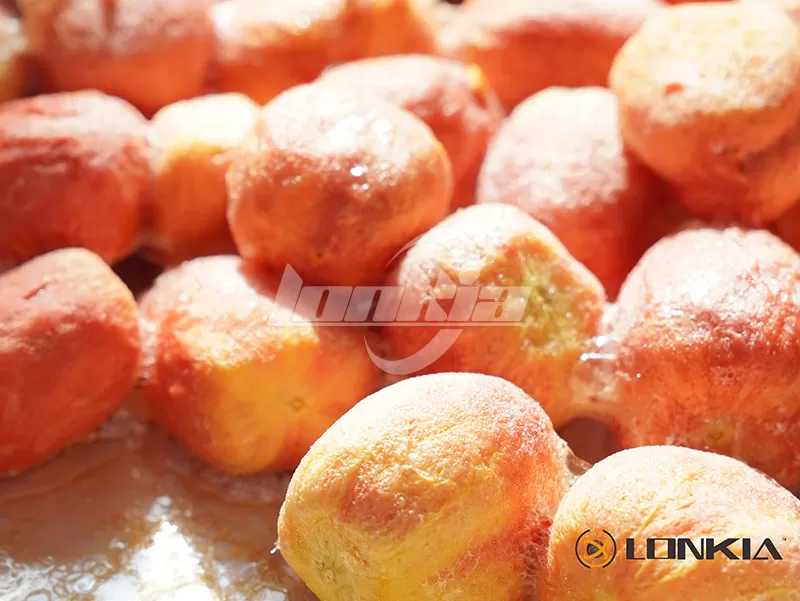
Freeze-dried vegetables are widely used in instant soup mixes, convenience foods, outdoor meals, and airline catering. Since the freeze drying process occurs at low temperatures, vegetable color and nutrients are well-preserved.
Food-grade equipment like Lonkia freeze food dryers typically features multi-layer tray structures, enabling simultaneous processing of various vegetable ingredients to boost production efficiency.
Freeze Dried Meat and Seafood
Beyond fruits and vegetables, freeze food dryers can also process meat and seafood products, such as:
- Beef
- Chicken
- Pork
- Fish
- Shrimp
Freeze-drying extends the shelf life of meat products while preserving flavor and nutritional value.
In practical production, meat is typically cut into small pieces or pre-processed before entering the freeze-drying equipment to ensure uniform drying and improve efficiency.
Freeze Dried Dairy and Beverage Ingredients
Freeze drying technology is also widely applied to dairy and beverage ingredients, such as:
- Milk powder
- Yogurt cubes
- Cheese
- Instant coffee
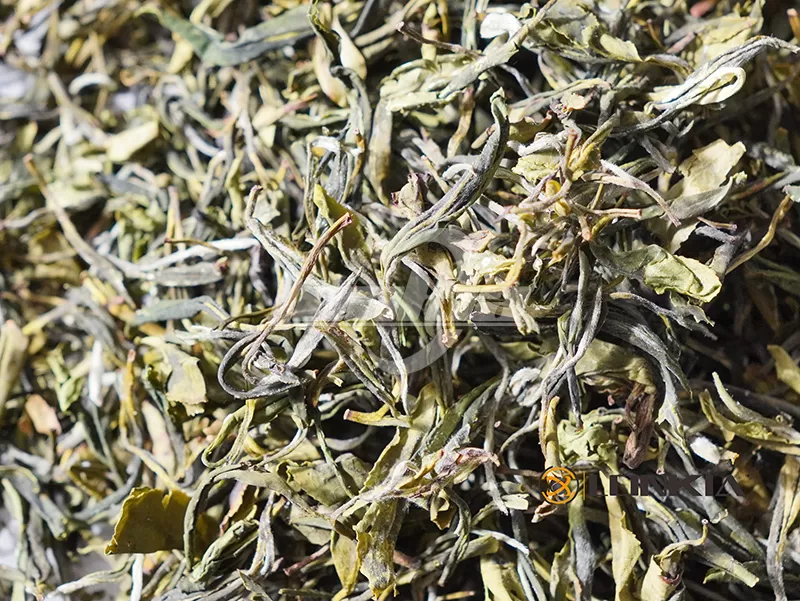
Instant coffee, for example, is a classic freeze-dried product, with its aroma preservation significantly superior to conventional drying methods.
For food companies, utilizing freeze food dryers enables the conversion of liquid foods into high-value-added powder or granular products.
Freeze Dried Compound Foods and Ready-to-Eat Products
With the growth of the freeze-dried food market, more companies are utilizing industrial freeze dryers to produce compound foods, including:
- Freeze-dried convenience meals
- Outdoor foods
- Pet foods
- Functional foods
These products typically combine multiple ingredients—such as meat, vegetables, and grains—into freeze-dried formulations that offer long-term storage and rapid rehydration for consumption.
Food machinery brands like Lonkia prioritize stable temperature control and vacuum systems in their freeze food dryer designs, enabling adaptability to diverse food processing needs.
What Considerations Are Important When Processing Food with Freeze Dryers?
Although freeze drying technology has broad applicability, several key factors require attention to achieve consistent production outcomes when using freeze food dryers:
- Raw material cutting size: Food typically needs to be cut into small pieces to ensure uniform water sublimation.
- Oil content control: Foods with excessively high oil content can impair freeze-drying efficiency.
- Tray loading thickness: Proper material distribution shortens freeze-drying cycles and boosts equipment efficiency.
For food enterprises, equipment stability and temperature control precision are critical determinants of product quality.
Final Thoughts: High-Performance Industrial Freeze Dryers Enhance Food Processing Value
In practical production, a structurally stable freeze food dryer not only processes diverse foods but also significantly increases product value.
Freeze dryermanufacturers like Lonkia typically optimize vacuum systems, condensers, and temperature control systems in freeze-drying equipment design. This ensures stable performance during prolonged operation, enabling continuous production for enterprises.
For companies aiming to enter the freeze dried food market, selecting the right equipment is often the first step toward success.