Against the backdrop of rapid growth in the freeze dried fruit market, an increasing number of food processing enterprises are investing in fruit freeze dryer equipment. However, many customers encounter a critical question during selection: How to choose a fruit freeze dryer that truly meets their production needs?
Equipment selection not only impacts production efficiency but also directly determines product quality and long-term operational costs. This article will guide you in selecting the appropriate fruit freeze dryer by examining equipment structure and core technologies.
Understanding the Fundamentals of Fruit Freeze Dryers
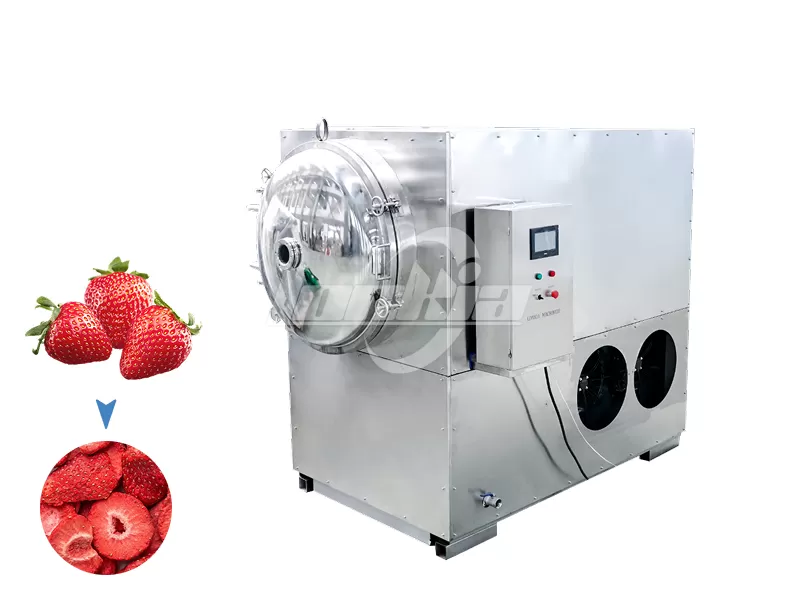
Fruit freeze dryers utilize low-temperature freezing and vacuum sublimation technology to convert water directly from solid ice to vapor within the fruit. This process preserves the fruit's shape, color, and nutritional content. The entire procedure typically involves three stages: pre-freezing, vacuum sublimation drying, and secondary drying/desorption.
During freeze drying, the equipment must maintain a stable low-temperature and vacuum environment. This places high demands on the machine's refrigeration system, vacuum system, and temperature control system. Therefore, a stable-performing freeze dryer machine is crucial for producing high-quality freeze dried fruits.
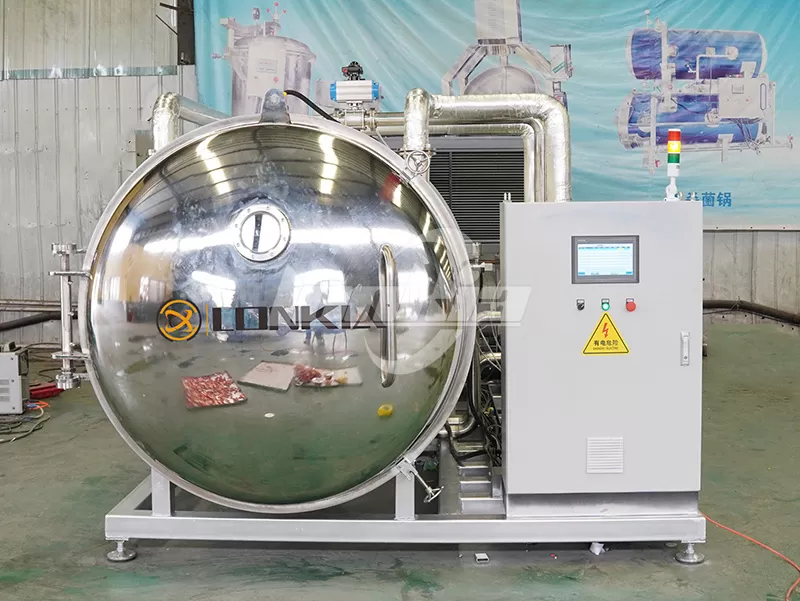
Focusing on the Core Structure of Freeze Dryers
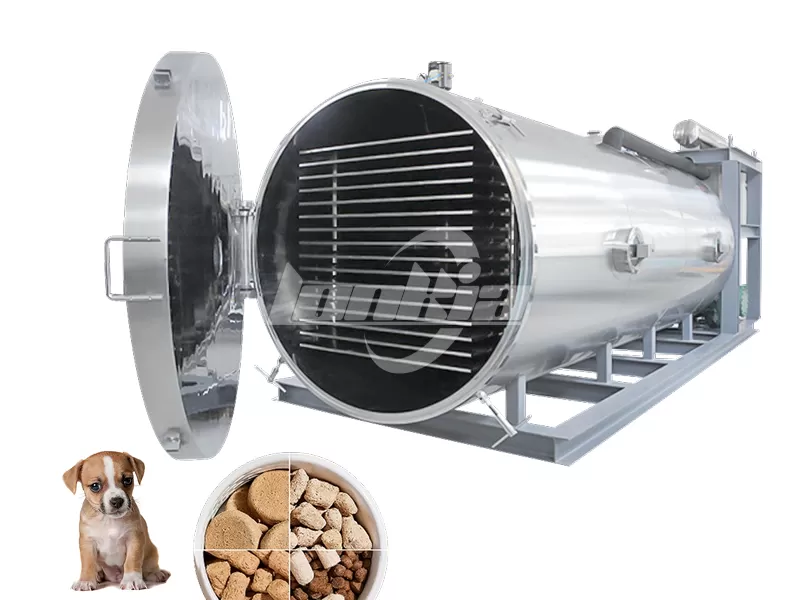
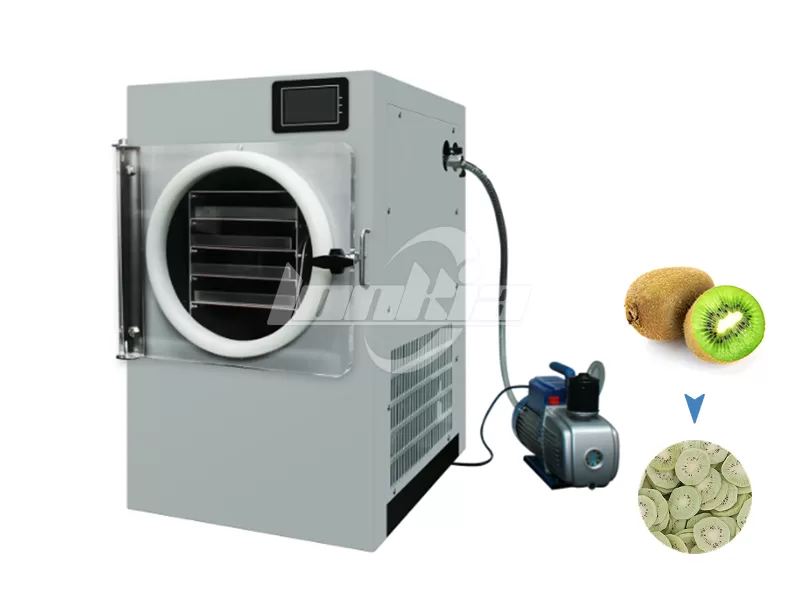
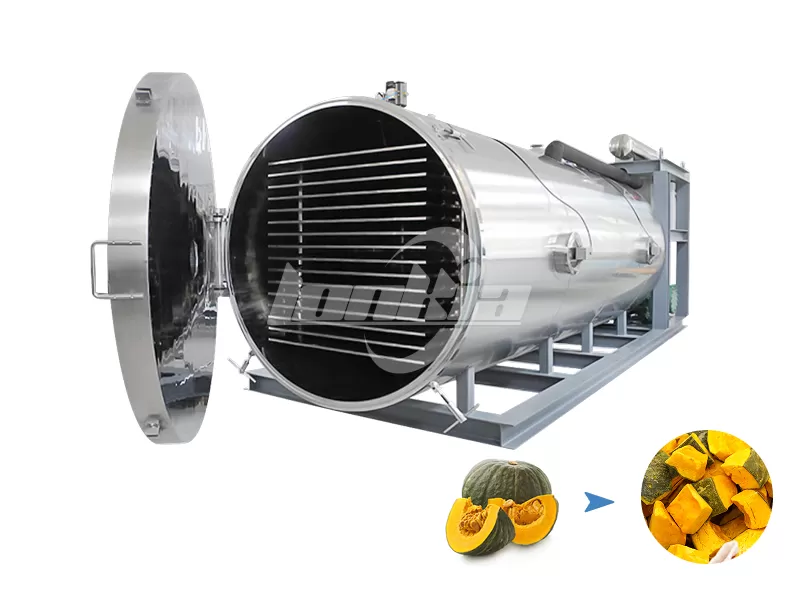
When selecting freeze drying equipment, customers should first understand the machine's core components. A complete fruit freeze dryer typically includes the following key modules:
1. Freeze Drying Chamber and Shelf System
The freeze dry vacuum chamber is the core space for product dehydration, while shelves hold the material and provide uniform heating. Shelf temperature uniformity significantly impacts drying results; excessive temperature variations may cause uneven fruit drying.
2. Refrigeration System
The refrigeration system rapidly freezes fruit raw materials. High-quality equipment typically lowers temperatures to approximately -40°C within short durations, preventing ice crystals from damaging fruit tissue structures.
3. Vacuum System
freeze dryer vacuum pumps create the low-pressure environment during drying, enabling ice to directly sublimate into water vapor—a core requirement of freeze-drying technology.
4. Control System
Modern equipment is typically equipped with PLC or touchscreen control systems that automatically regulate temperature, pressure, and drying time, enhancing process stability.
Specialized freeze dryer manufacturers like Lonkia often optimize temperature control precision and automated systems to improve equipment stability and drying consistency.
Assessing Whether Equipment Capacity Matches Production Needs
Many customers focus solely on the equipment's rated output, but actual production capacity depends on multiple factors, such as drying time, material moisture content, and loading method.
For example, fruits with high moisture content (like strawberries or mangoes) require longer drying times during freeze-drying. Therefore, the equipment's effective processing capacity should be calculated based on the complete freeze-drying cycle, not just the weight of a single load.
Therefore, when selecting equipment, customers should prioritize the following metrics:
- Effective drying area of the freeze-drying chamber
- Number and dimensions of shelves
- Freeze-drying cycle duration
- Vacuum stability
These parameters provide a more accurate reflection of the equipment's true production capacity than simple "processing weight."
Equipment Stability Determines Product Quality
For food processing enterprises, the quality of freeze-dried fruit directly impacts market competitiveness. If the equipment's temperature control or vacuum system is unstable, the following issues may arise:
- Uneven drying
- Product structural collapse
- Excessive residual moisture
Therefore, high-quality fruit freeze dryers typically employ precise temperature control systems and stable vacuum systems to ensure consistent operation throughout the freeze-drying process.
Selecting a Reliable Manufacturer is Equally Important
Beyond equipment specifications, the manufacturer's technical expertise is crucial. Established equipment manufacturers not only supply machinery but also provide freeze-drying process recommendations tailored to customer products, thereby reducing commissioning time.
For instance, Lonkia possesses extensive experience in food processing equipment. Its fruit freeze dryers have undergone multiple optimizations in structural design, control systems, and operational stability, enabling customers to establish stable production lines more efficiently.
Conclusion
Selecting the appropriate fruit freeze dryer involves more than comparing equipment prices or specifications. It requires comprehensive consideration of equipment structure, core technology, and actual production needs.
A well-designed, stable-running fruit freeze dryer enables food enterprises to produce high-quality freeze-dried fruits, enhance product value, and provide reliable assurance for long-term stable production. If you have questions about selecting a freeze dryer, contact us immediately.