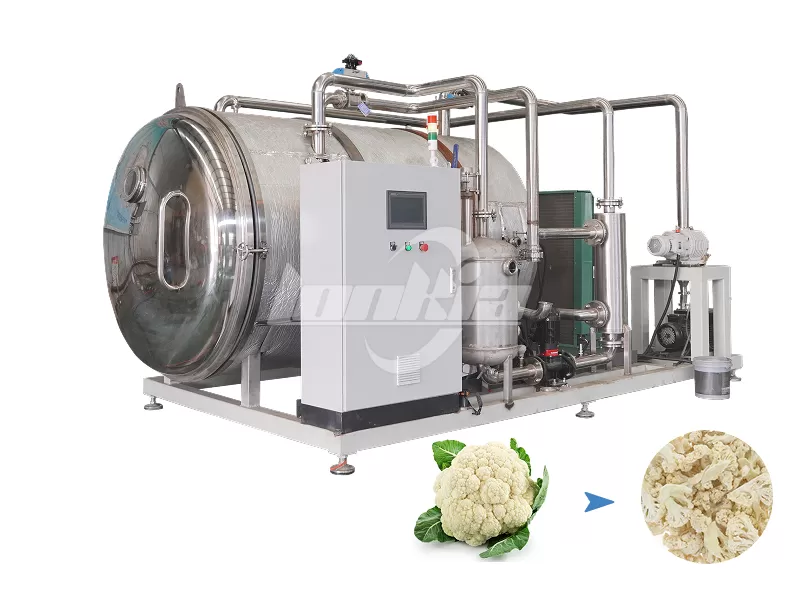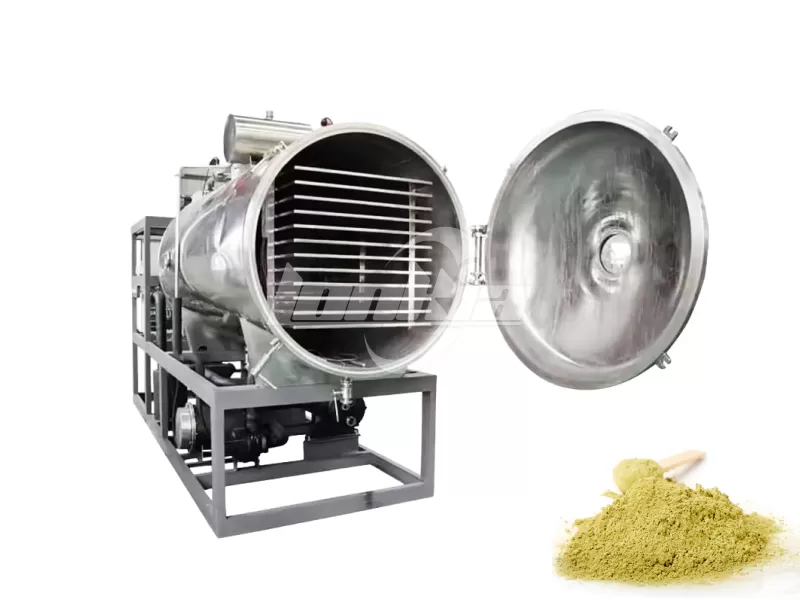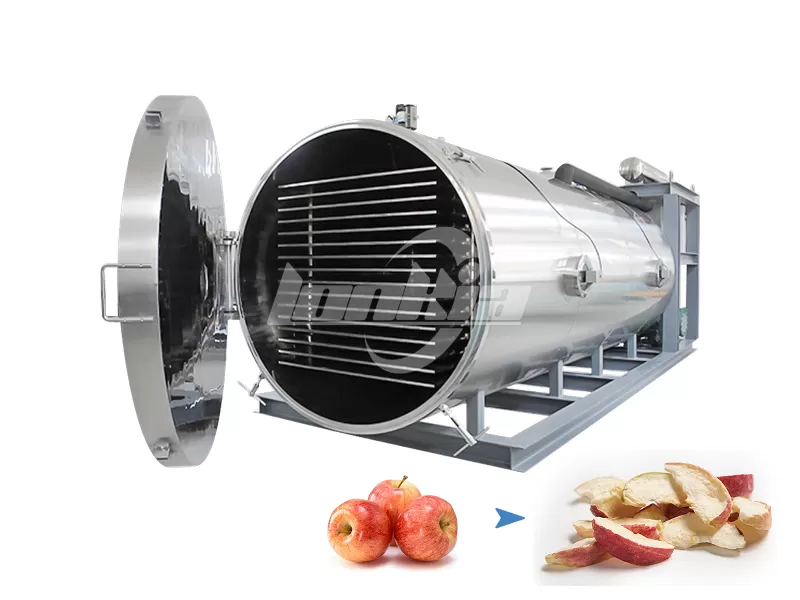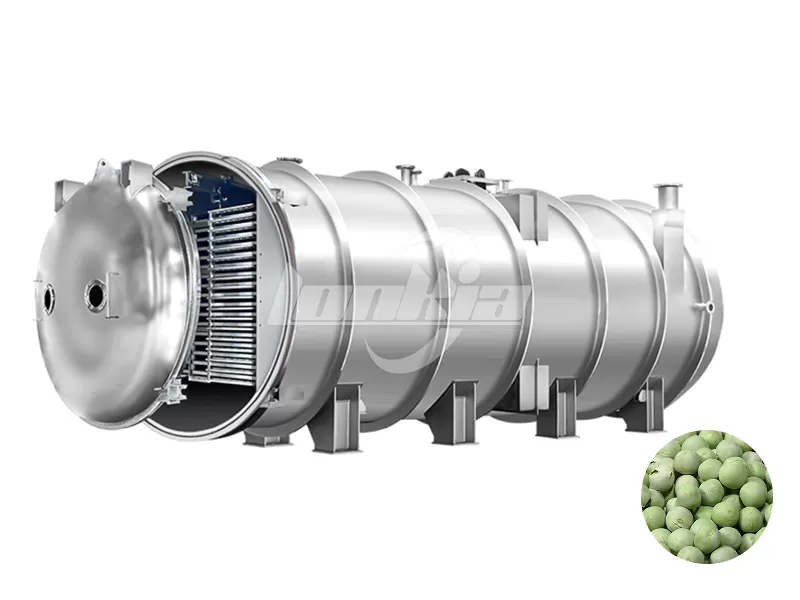
Fruit preservation has always been an important part of the food processing industry. Traditional preservation methods such as drying, canning, or freezing can extend shelf life, but they often affect the fruit’s flavor, texture, or nutritional value. In contrast, freeze drying has become one of the most advanced and effective technologies for preserving fruits.
Using a fruit freeze dryer, producers can remove moisture from fruits while maintaining their natural taste, color, nutrients, and structure. This is why freeze-dried fruits are increasingly popular in the global food market.
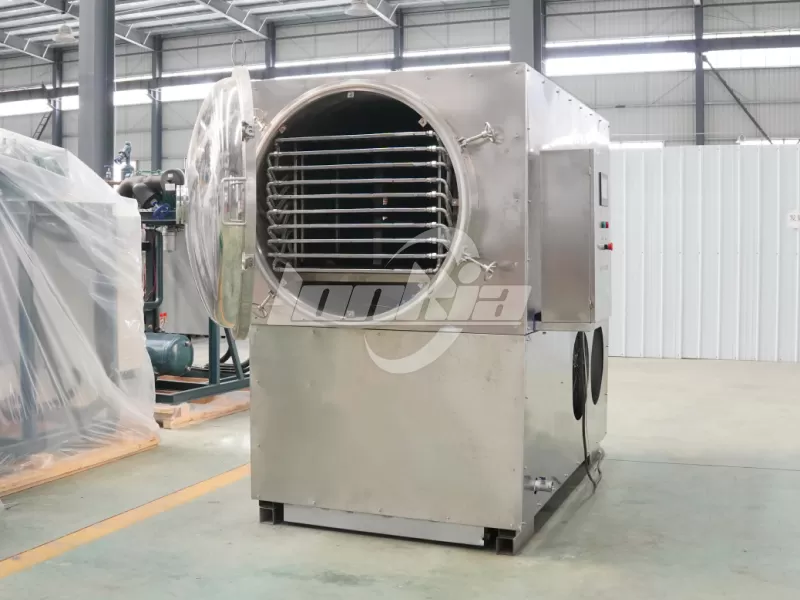
What Is Freeze Drying?
Freeze drying, also known as lyophilization, is a dehydration process that removes water from frozen products under vacuum conditions. Instead of melting into liquid, the frozen water inside the fruit turns directly into vapor through a process called sublimation.
The freeze drying process typically involves three main stages:
Freezing – Fresh fruits are frozen at very low temperatures.
Primary drying (sublimation) – Ice inside the fruit converts directly into vapor under vacuum.
Secondary drying – Remaining moisture is removed to ensure long-term stability.
This gentle drying process helps preserve the fruit’s original characteristics much better than conventional drying methods.
Why Freeze Drying Is Ideal for Fruits
Fruits are delicate products with high moisture content. Freeze drying offers several advantages that make it particularly suitable for fruit preservation.
Excellent Nutrient Retention
One of the biggest benefits of freeze drying is its ability to preserve nutrients. Because the process occurs at low temperatures, heat-sensitive vitamins such as vitamin C and antioxidants remain largely intact.
This makes freeze-dried fruits a popular choice for healthy snacks and nutritional products.
Natural Flavor and Aroma
Unlike traditional dehydration methods that use heat, freeze drying protects the fruit’s natural flavor and aroma. The result is a product that tastes very close to fresh fruit.
Many freeze-dried fruits even regain much of their original taste when rehydrated with water.
Light and Crispy Texture
Freeze-dried fruits have a unique light and crispy texture that consumers enjoy. Since the moisture is removed while the fruit remains frozen, the internal structure of the fruit is preserved.
This structure gives freeze-dried fruits their distinctive crunchy texture.
Long Shelf Life
Removing nearly all moisture from fruit significantly reduces microbial growth and chemical reactions that cause spoilage.
Freeze-dried fruits can often be stored for months or even years when packaged properly, without requiring refrigeration.
Lightweight and Easy Transportation
Since most of the water is removed, freeze-dried fruits are extremely lightweight. This reduces transportation costs and makes them ideal for:
snack products
outdoor foods
emergency food supplies
export markets
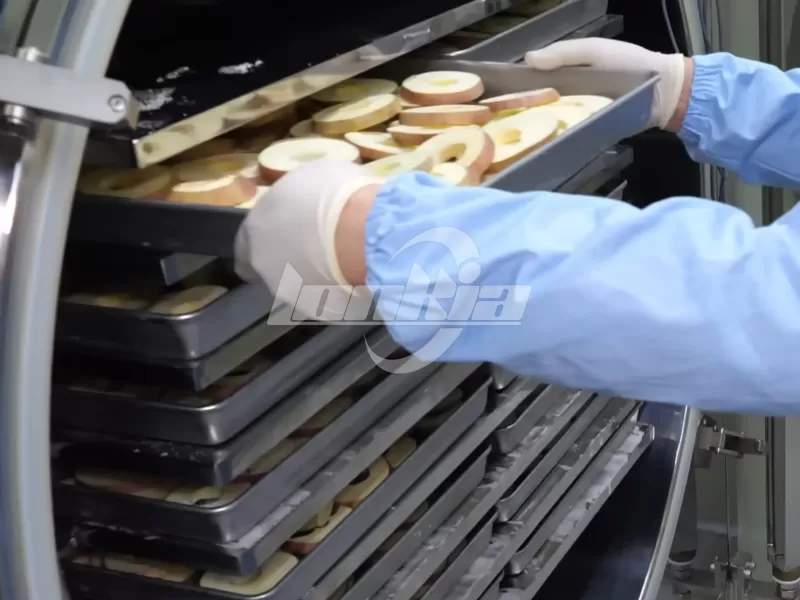
Common Fruits Processed with Freeze Dryers
Many types of fruits can be successfully processed using freeze drying technology.
Popular freeze-dried fruits include:
strawberries
mango
banana slices
blueberries
pineapple
apple pieces
raspberries
dragon fruit
These fruits maintain their vibrant color and attractive appearance after freeze drying.
Applications of Freeze-Dried Fruits
Freeze-dried fruits are widely used across many food sectors.
Healthy Snacks
Freeze-dried fruit chips are popular as natural, low-calorie snacks without added sugar or preservatives.
Breakfast Foods
Many cereal and granola products include freeze-dried fruits for added flavor and nutrition.
Baking and Desserts
Freeze-dried fruits are often used in:
cakes
chocolate products
ice cream
yogurt toppings
Instant Beverages and Smoothies
Powdered freeze-dried fruits can be used in instant drink mixes and smoothie powders.
Advantages of Using a Fruit Freeze Dryer
For fruit processors and food manufacturers, investing in a freeze dryer for fruits offers several business benefits.
Higher product value compared with traditional dried fruit
Premium pricing in health food markets
Longer storage and export opportunities
Improved product quality and appearance
Reduced food waste during peak harvest seasons
These advantages make freeze drying an attractive solution for fruit processing companies.
How to Choose a Freeze Dryer for Fruit Processing
When selecting a freeze dryer for fruit production, businesses should consider several important factors.
Production Capacity
Choose a machine that matches your expected production volume. Small operations may use commercial freeze dryers, while large factories require industrial systems.
Temperature and Vacuum Performance
Efficient freeze drying requires stable low temperatures and strong vacuum conditions.
Energy Efficiency
Since freeze drying can be energy-intensive, machines with optimized refrigeration systems can help reduce long-term operating costs.
Automation Features
Advanced control systems allow operators to program drying cycles and monitor the process more easily.
Conclusion
Freeze drying has become one of the most effective technologies for fruit preservation. By removing moisture at low temperatures, freeze dryers maintain the fruit’s natural flavor, nutrients, color, and structure.
As consumer demand for healthy, convenient, and long-lasting foods continues to grow, freeze-dried fruits are becoming an increasingly valuable product in the global food market. For fruit processors, investing in a high-quality freeze dryer can open new opportunities for product innovation and international sales.