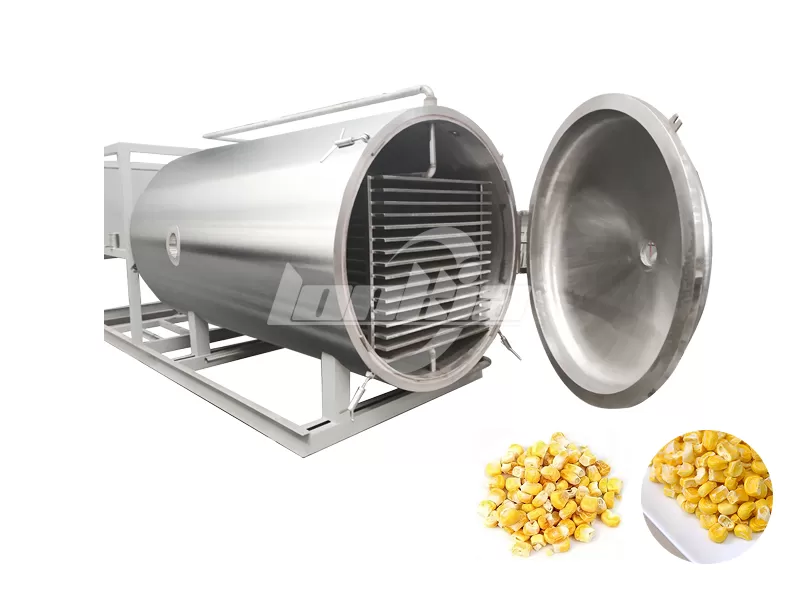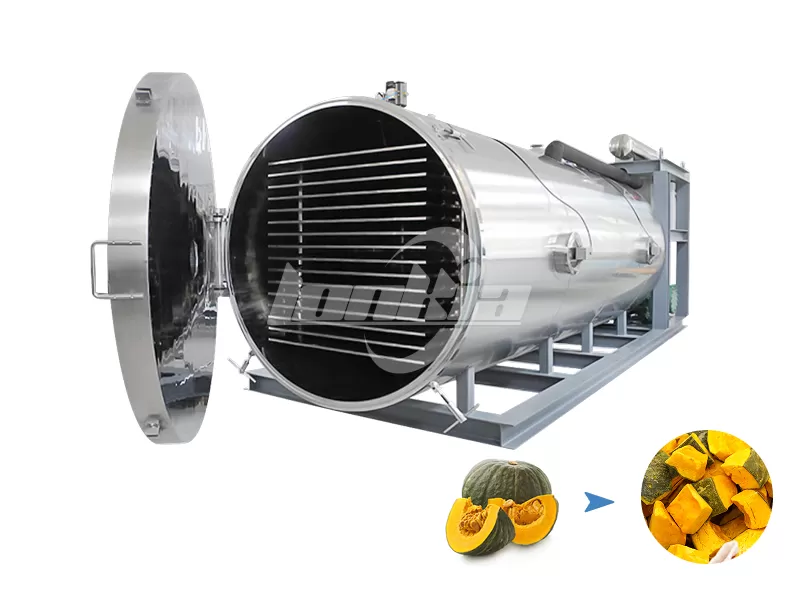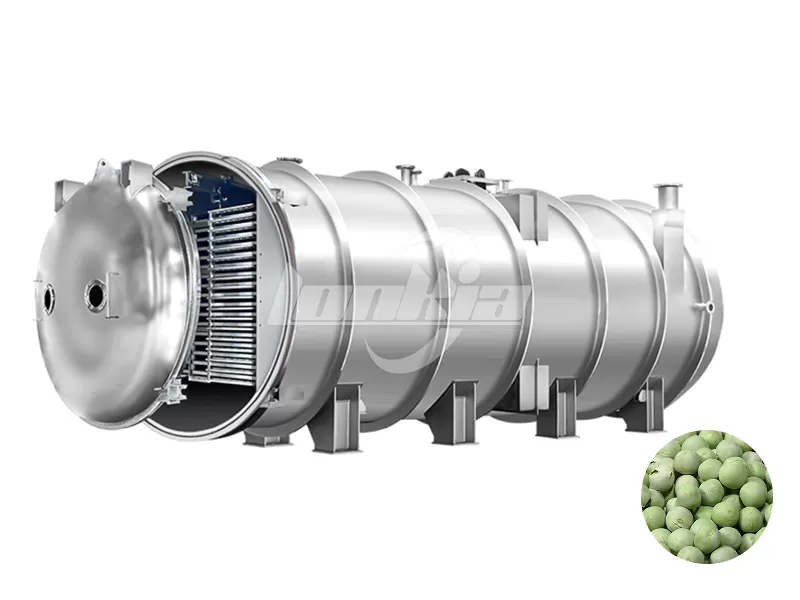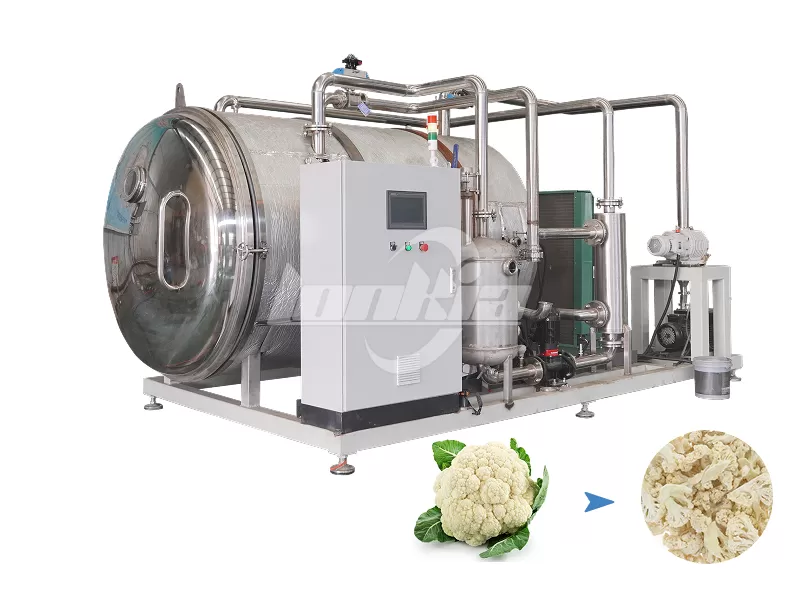
In the food processing and value-added processing sectors, industrial freeze drying equipment is widely used to improve product quality and extend shelf life. However, during actual operation, issues such as unstable equipment performance and reduced efficiency frequently arise. This article summarizes common problems and their corresponding solutions to help users achieve stable operation and high-efficiency output.
Insufficient Vacuum: A Key Issue Affecting Drying Efficiency
During the freeze drying process, the vacuum environment directly determines the efficiency of water sublimation. If the equipment consistently fails to reach the set vacuum level, drying time will be significantly prolonged.
Common Causes:
- Aged or improperly installed seals
- Deteriorated vacuum pump performance or insufficient maintenance
- Leaks or blockages in the piping system
Solutions:
- Regularly inspect seals and valve connections
- Change vacuum pump oil and perform maintenance
- Conduct airtightness testing on the entire piping system
A stable vacuum system is the foundation for efficient equipment operation; it is recommended to prioritize vacuum system configuration during the equipment selection phase.
Excessively Long Drying Time
When equipment cycle times significantly increase, it directly impacts the efficiency of the entire production line.
Common Causes:
- Decreased heat exchange capacity of the condenser
- Inaccurate temperature control in the heating system
- Unreasonable material loading volume
Solutions:
- Inspect the condenser's operating condition and defrost it regularly
- Calibrate the temperature control system
- Control loading thickness and uniformity
Properly aligning equipment parameters with production requirements is key to improving efficiency.
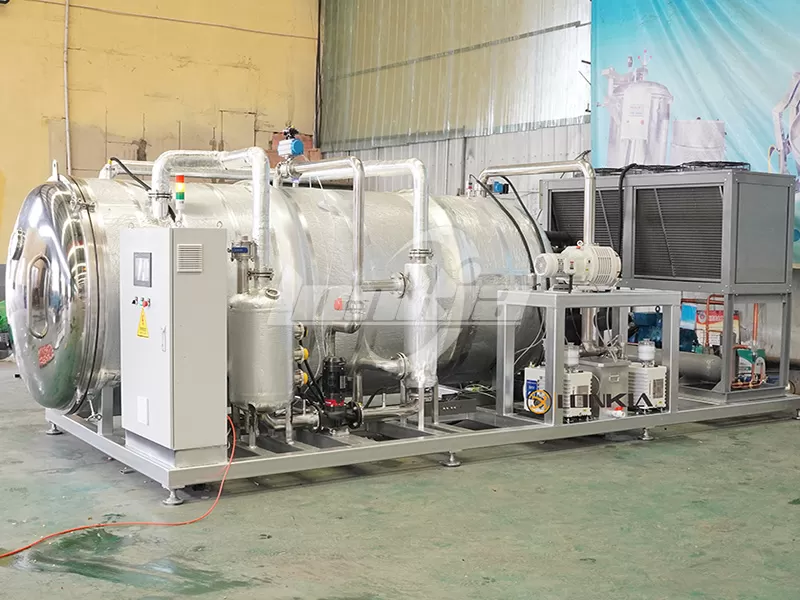
Severe Frost Buildup on the Condenser
The condenser plays a central role in capturing water vapor; excessive frost buildup will reduce the industrial freeze drying equipment's overall performance.
Common Causes:
- High moisture content in the material
- Inefficient defrosting cycles
- Decreased efficiency of the refrigeration system
Solutions:
- Pre-treat materials with high moisture content
- Develop a reasonable defrosting schedule
- Check the operating status of the refrigeration system
The stability of the condenser system directly affects the equipment's ability to operate continuously.
Uneven Drying
Localized areas of undried material or inconsistent color in the product can reduce market competitiveness.
Common Causes:
- Uneven temperature distribution across heating plates
- Inefficient tray arrangement
- Inconsistent material thickness
Solutions:
- Optimize tray layout
- Control material spreading thickness
- Improve heating system uniformity
In actual production, standardizing loading methods can often significantly improve drying results.
Product Collapse or Structural Damage
If products collapse or shrink after freeze drying, this is typically related to temperature control and process parameters.
Common Causes:
- Excessively rapid heating rate
- Inappropriate matching of vacuum and temperature
Solutions:
- Control the heating curve
- Adjust drying stage parameters
- Develop process flows based on material characteristics
Equipment performance and process parameters must be mutually compatible to ensure final product quality.
Recommendations for Improving Equipment Stability
To minimize malfunctions and maintain stable operation, the following optimizations are recommended:
- Regular Maintenance: Conduct periodic inspections of the vacuum, condensation, and heating systems
- Process Optimization: Adjust temperature, time, and pressure parameters for different materials
- Equipment Selection: Prioritize equipment with rational structural design and stable control systems
In practical applications, structural optimization and system compatibility can significantly reduce operational risks. Taking Lonkia's freeze drying equipment as an example, it demonstrates stable performance in terms of vacuum stability and temperature control accuracy, which helps achieve continuous production and consistent quality.
Conclusion
For companies using industrial freeze drying equipment, equipment issues often stem from inadequate attention to detail. Through targeted troubleshooting and optimization, it is possible not only to improve operational efficiency but also to ensure stable product quality.
After the equipment is put into service, continuously optimizing operational and maintenance strategies is a key guarantee for achieving long-term, stable production.